The activity will continue from August to December 2015 and from January to December 2016. This time schedule has been chosen to link up with the collection of data in the concerned area, with the evaluation of approaches to forest management and nature conservation, legislation, etc. The activity follows up the results of Output 1.1 (legislation, recorded data, input background documents such as the Management plan for permanent forest stands (TPLA), forest inventory, evaluation, inquiring the local population etc.).
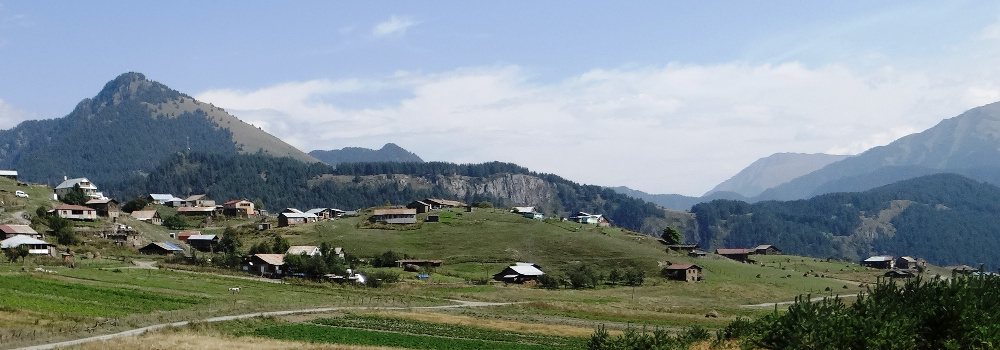
The activity includes field investigations in the pilot area focused on the determination of the fulfilment of forest functions such as soil protection function (recording of erosion rills, land slides or impact of grazing on the vegetation cover), water retention function (determined will be forest types affected by water – wetland alder woods, alluvia of streams etc., their size and acreage in the selected area) and ecologic-stabilization forest functions.
Social functions of the forests will be assessed from the perspective of recreation, zones of prohibited entry, hazardous terrains, possibly also pollution with waste. This activity will be attended by members of target groups with whom discussions will be led to analyze the functions of forest ecosystems so that they can acquire knowledge of working with these outputs.